
Filters

Regular training for the choreographic artist
Two disciplines are offered for the regular training of dancers on the second cycle of the Master's degree: classical dance and contempoiraine dance.

Classical, neo-classical & contemporary repertoire (dance)
Working through works from the classical and neoclassical dance repertoire is an essential part of dancers' training, not only to develop their choreographic culture through practice and their experience of the body, sensation and intention, but also to make the link from the outset between the classes and the technical difficulties they encounter during their course and their possible applications in a variety of aesthetic and artistic contexts and styles.
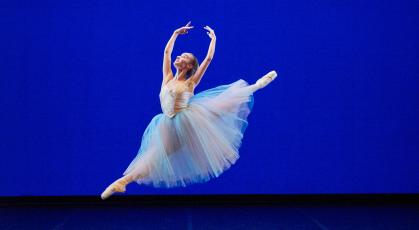
Peaks and variations
Pointe technique is specific to women's ballet. Pointe work requires a foot that is supple, muscular and stable. Throughout the syllabus, through increasingly complex exercises, students must acquire the technique specific to ballerinas, where the pointe shoe gives the impression of being an integral part of the dancer's body. Little by little, elements of the repertoire are introduced so that by the end of the course, students can master a variation from the repertoire with the technical ease needed to work on style and interpretation.

Mastering
By carrying out personal projects in a professional studio, this course teaches the skills associated with the technical adaptation of music recordings to broadcast networks. By the end of the course, students will have acquired solid expertise in the use of specialised technology. They will develop an expert ear, and acquire the techniques and methods needed to tackle the final stage of a project with confidence.