Filters

Baroque oboe
There were four types of oboe in use in the 18th century: baroque oboe, oboe d'amore, hunting oboe and classical oboe. During this course, instrumentalists acquired technical mastery of these instruments (ornamentation, improvisation, etc.), so as to be able to switch from one to the other without difficulty, sometimes within the same work, according to the practice of the time. As well as learning the instrument, the oboists are also part of a group, which the ensemble endeavours to shape. A number of instrumentalists and singers gravitate around the students, creating a landscape conducive to chamber music and ensemble playing. To prepare musicians for professional life, curiosity and a sense of initiative are encouraged, both in initiating collective work and in exploring the history of instruments and the context in which works are created.

Working on stage
How do you get an audience to see a score? That's the whole point of the stage work course, which teaches how to tell stories using the sung voice and music. The game is to take the audience into the writing not only of the notes, but also of the poem. Each year, the students take part in an opera or a show written for the occasion. Combining practice (performance accompanied by piano) and theory (applied dramaturgy course), the teaching encourages students to sharpen their critical thinking and provides them with stage tools adapted to all the repertoires sung: opera, oratorio, lied, chanson, operetta, vocal ensemble, etc.
What makes a good stage presence? How does the audience believe, or not, in a story? Expression, movement, occupation of space and singing combine to bring characters to life. Exploring these different parameters, not forgetting aspects of dramaturgy and analysis of the works, the performers learn to share the stage with their partners to bring out a common energy, as well as understanding and reacting to a director's request. Becoming aware of the effects produced by one's performance enables them to play freely with it. By working on improvisation and stage expression, drawing on a wide variety of disciplines (drama, dance, Alexander technique, etc.), they are introduced to the notion of addressing an audience. Each year, the course leads to the creation and public performance of a show.
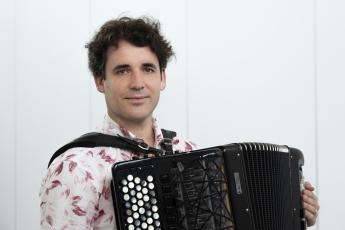
LHERMET Vincent
A concert soloist, chamber musician, teacher, and researcher, Vincent Lhermet pursues a brilliant international career in which early music, contemporary creation, and improvisation engage in constant dialogue. Curious and eager for encounters, he collaborates with major composers such as Franck Bedrossian, Bernard Cavanna, Francesco Filidei, Phili...


Jazz and improvised music - 2nd cycle
Development of artistic personality
Ability to design and produce an artistic project (show, concert, recording) independently
Ability to develop and express reflections on one's artistic practice
Development of the ability to enter professional life
Section: Performers